

Otta Skifer is a company with 150 years of history. From the founding of the first slate company in the mid-1800s until today, social responsibility has been a strong pillar of our business. Otta Skifer cannot exist unless we do our part. We are an important contributor to individuals, businesses and the municipality. It is our responsibility to make sure everyone can rely on Otta Skifer’s presence on several levels. This already includes the economic side of sustainability: we must run a financially sound business so the company can continue for generations. That is why we can honestly say that social responsibility is something we truly care about.
Slate itself is one of the most sustainable building products you can use, measured by lifespan. With a lifespan of more than 100 years, Ottaskifer can live on in new buildings when an old building is taken down.
At the same time, there is no getting around the fact that quarrying, transport, processing, packaging and even more transport are part of the product’s life cycle and must be taken into account. Seen from a climate and environmental perspective, the product is then no longer quite as sustainable.
Sustainable production and a holistic view of the life cycle have not generally been a focus in the industry before, and neither for us. Now, however, we see a clear need to change how we handle transport, production lines and packaging, and we have started on that work. Here you can read more about the environmental and social sides of sustainability in our little world:
What is the situation today?
Ottaskifer as a product
Ottaskifer is an environmentally friendly product in itself. It is a 100% natural product made from stone that has formed over more than 450 million years. It contains no additives that are harmful to the environment.
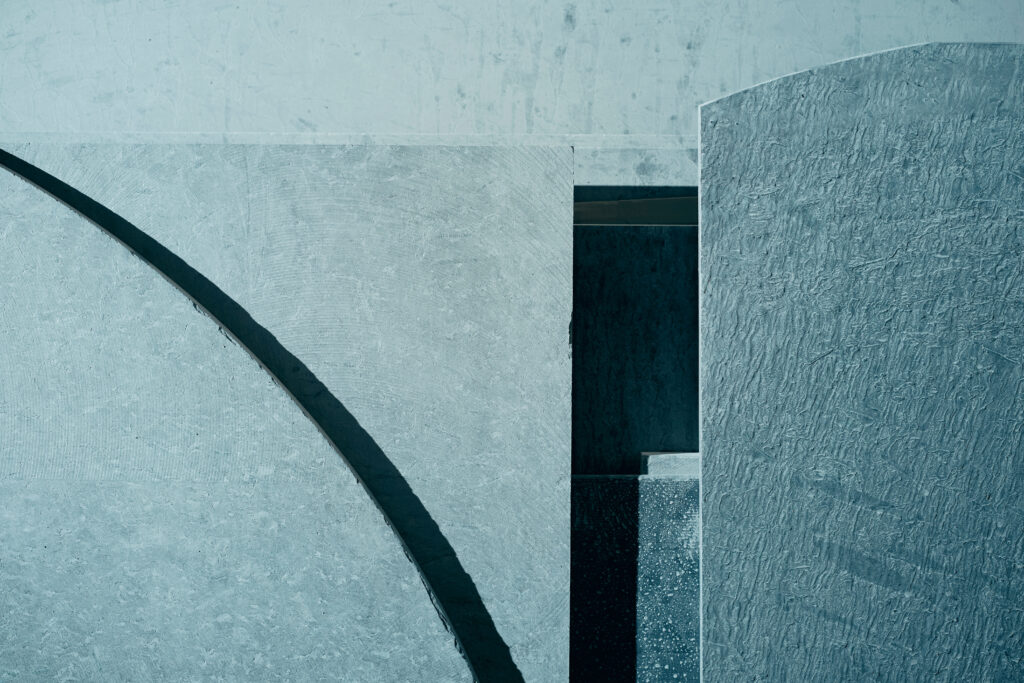
Ottaskifer lasts far longer than a lifetime. As a rule of thumb, we say a roof of Ottaskifer should be serviced every 100 years. Ottaskifer is also highly resistant to wear. In other words, there is no “use and throw away” mentality around Ottaskifer. A facade, a staircase, an entrance or a roof of Ottaskifer is a lasting part of a building.
Ottaskifer is also virtually maintenance-free. No cleaning agents or chemicals are needed for Ottaskifer to keep its appearance. An indoor slate staircase can be washed with clean water. A slate roof or slate facade can be hosed down with water if desired. There is no need for environmentally harmful products.
Ottaskifer also ages with style. The play of colors in Ottaskifer changes over the years, and there is no need to renew the facade or roof: it renews itself naturally all the time.
We make custom orders when needed, which means we pack smaller quantities than we otherwise might. As a result, we also ship smaller quantities than would be ideal from an environmental perspective. This means more packaging is used and transport is more frequent.
Ottaskifer in production
To find out which measures were even relevant for us, we started by mapping the different stages of a product’s life cycle and looking for obvious gaps, shortcomings and areas for improvement from a sustainability perspective. There are (fortunately) many people involved throughout our value chain, and we want to keep it that way.
Our largest environmental emissions come from quarrying and transport. To quarry Ottaskifer, we use a range of machines: excavators, dumpers, jackhammers and trucks. Most of these run on fossil fuel and therefore account for their share of carbon emissions.
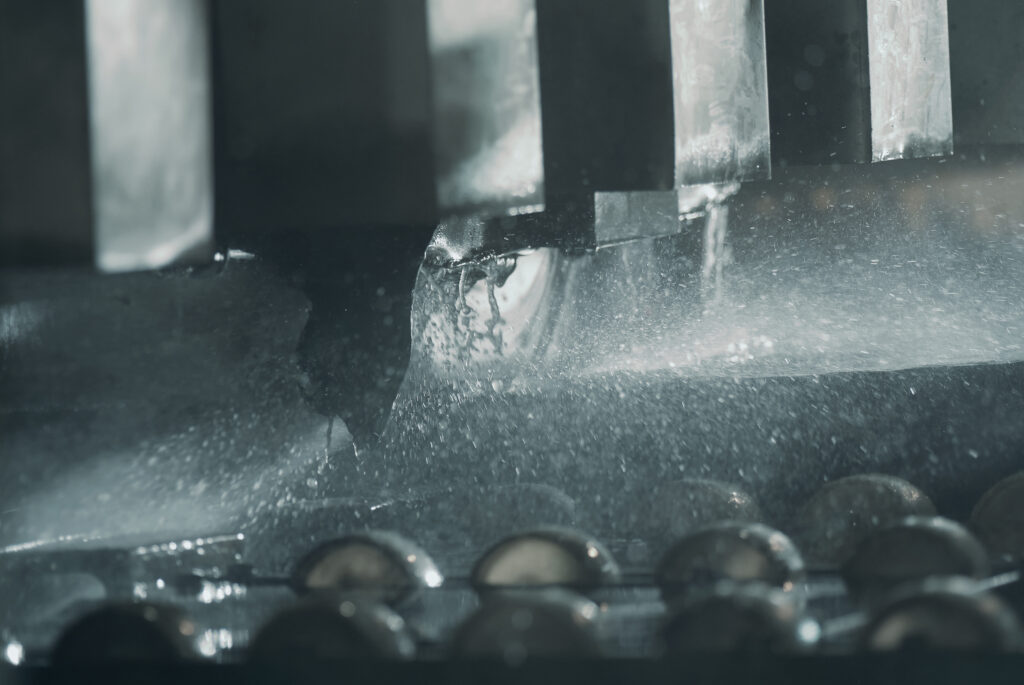
Our production uses a lot of water, and we use large amounts every day the production lines are running. Machines and tools run on electricity, and overall our factory is energy-intensive.
We make custom orders when needed, which means we pack smaller quantities than we otherwise might. As a result, we also ship smaller quantities than would be ideal from an environmental perspective. This means more packaging is used and transport is more frequent.
Our long-term goal is to use 100% of the stone for different products, and that requires a good deal of product development – we have to think differently and find uses for the slate that do not exist today.
Environmental documentation
We have started work on documenting the environmental impact we have today, but the first step is to find a good tool that can generate our various environmental reports in a satisfactory way. We need dozens of reports every year, and instead of ordering them one at a time, we want to be proactive and forward-looking.
We are therefore getting help to develop an AI tool tailored to us, based on our values and factors. By making a large investment up front, we believe we will be better able to be transparent over time. We can also respond faster to requests from potential customers and partners, as well as larger organizations that want environmental documentation from us.
Social sustainability
Local workforce
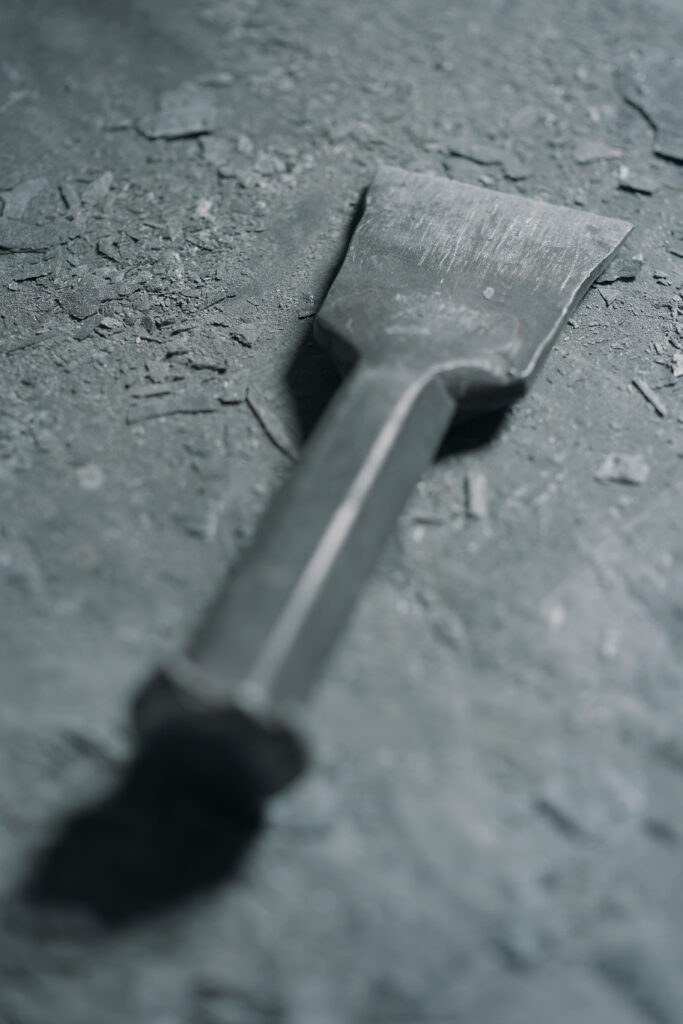
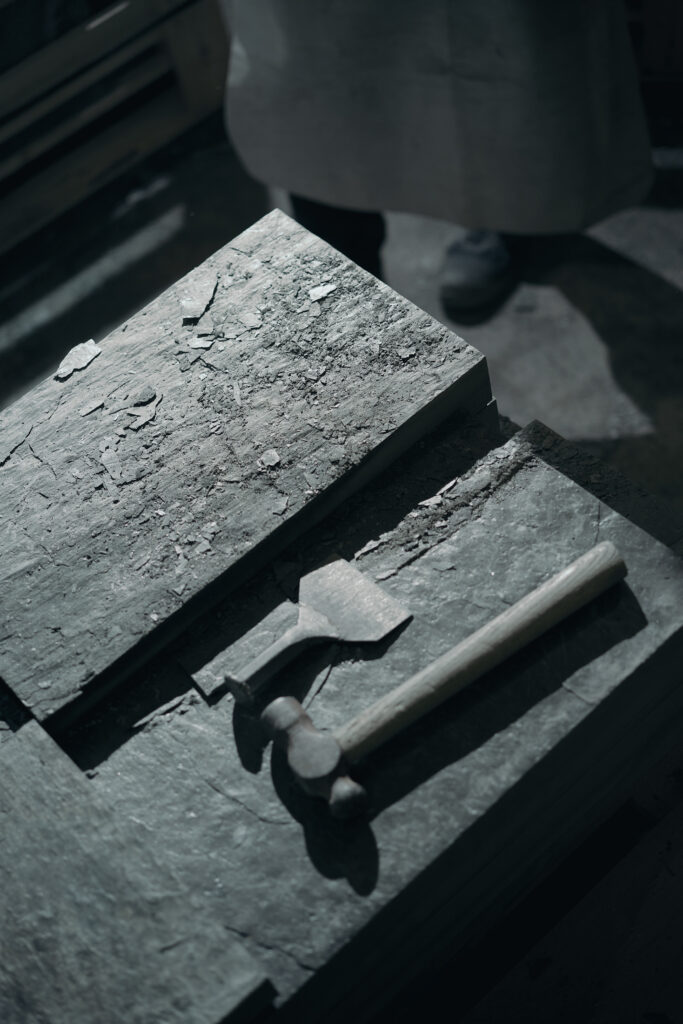
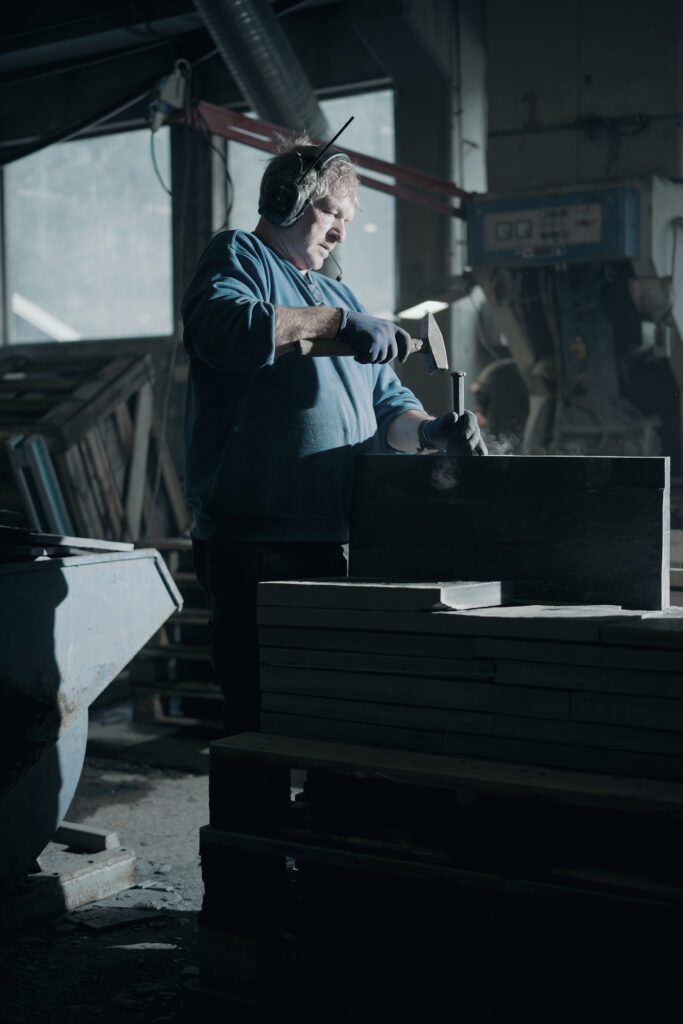
Otta Skifer would not exist without local labor and expertise. The stone industry is run by skilled people with experience from the entire Ottaskifer production line: from quarrying to finished product. We depend on craftspeople who know their trade and see both the possibilities and the limitations. Quarrying and producing slate is a local craft that has existed and evolved along with the community.
The wider business community
We also contribute to the wider business community in and around Otta. Our production creates ripple effects in the form of a range of support services that we buy locally – everything from workwear suppliers and brochure printing to help in fields where we lack expertise ourselves.
Creating value
The slate industry has substantial value in circulation, and we are a proud contributor to Sel Municipality through taxes and fees.
A long way to go
We are only at the very beginning of our work to reduce our climate and environmental footprint. Our experience so far is that there is no point in being impatient, because identifying impact factors, our own areas for improvement and documentation requirements is a meticulous and lengthy process. Especially as one of the first to drive this forward in our industry.
We have therefore had to be patient, and instead we see a lot of positives in the enormous learning curve we have been on and are still on.
We are really looking forward to entering the “operational” phase, but to make changes that truly make a difference, we need to get the foundations right from the start. And we can honestly say that we are putting a lot of effort into that!


